The Sensory Nook · Paul Rohling
A Little Room for Neverland
Sometimes an idea stays with us long enough to become the seed of something more.
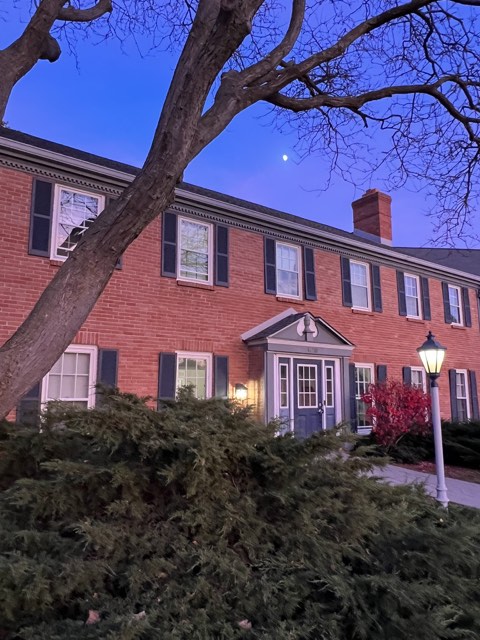
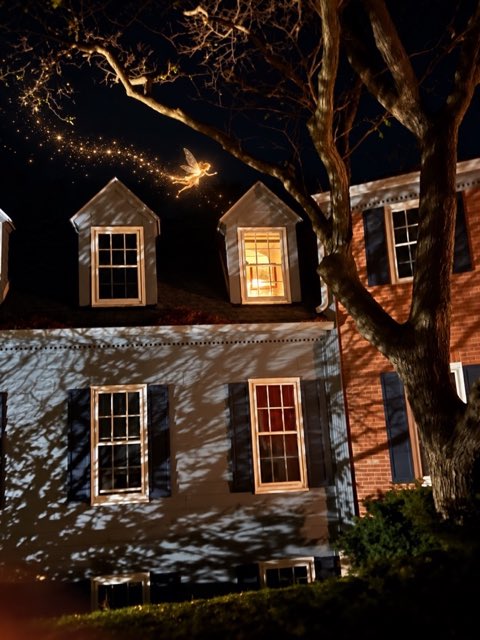
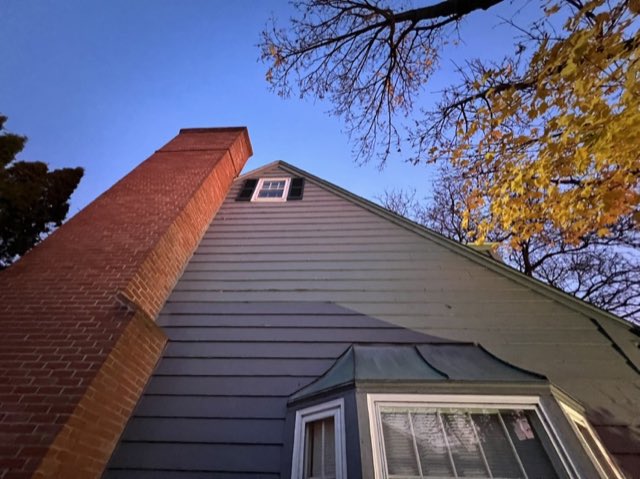
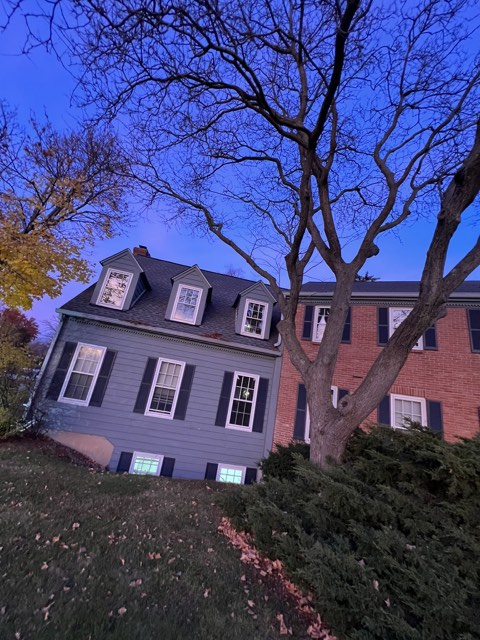
When we toured the empty space together, we noticed the windows. They reminded us of Peter Pan, and I joked that I could do something with that.
That little idea became our sensory nook.
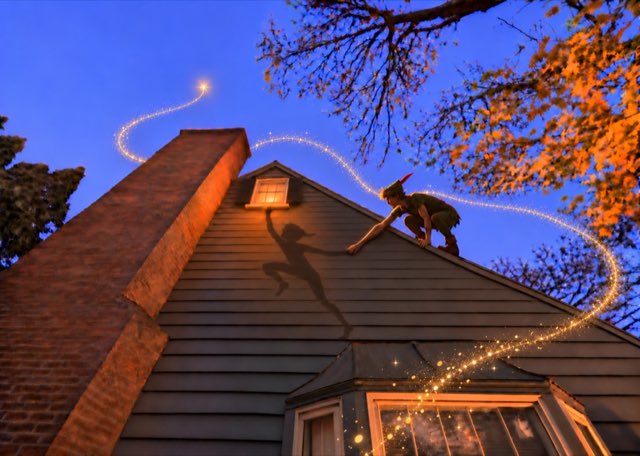
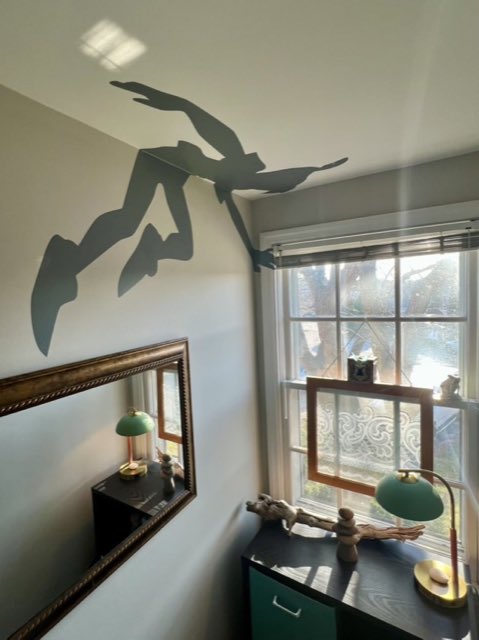
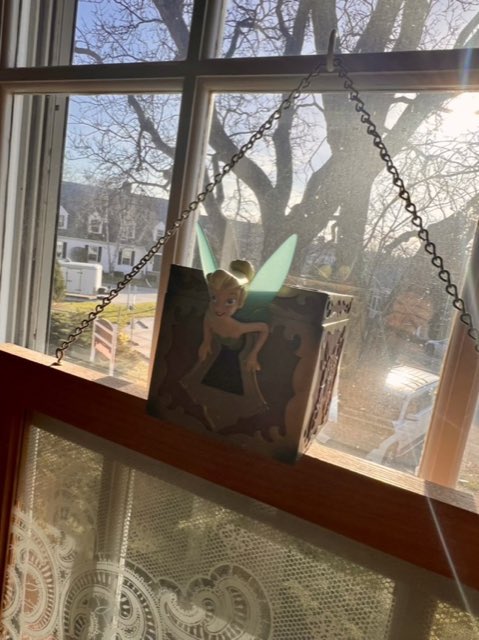
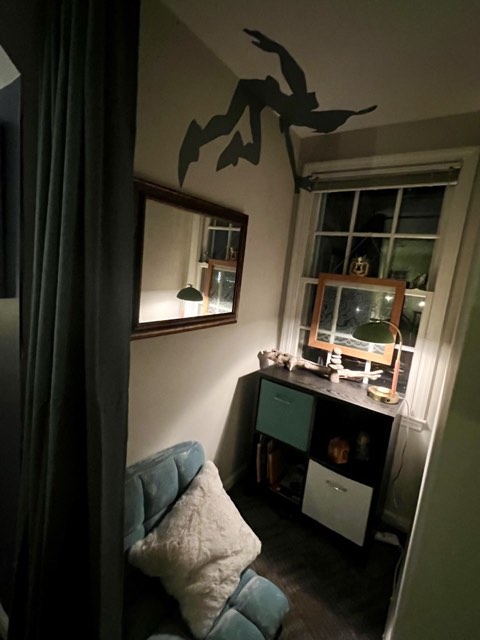
Sometimes an idea stays with us long enough to become the seed of something more.
Follow a little light around the building and into the nook. Play or pause whenever you like.
A place to step away—and a place to play
There are toys, shadow puppets, little shadows on the wall, and Tinker Bell at the window. A blanket with a treasure map of Neverland is part of the plan, too.
I wanted a small, sheltered place where someone could step away from everything happening around them. A child might find something to explore. Someone else might want a quieter corner, a blanket, or a moment with less going on.
There is room to engage your curiosity, find something grounding, or simply take a break. You don’t have to turn being here into another thing to accomplish.
And Nana? In Peter Pan, she’s the dog who looks after the children. That felt like the right bit of humor for a room with blankets and permission to settle in.
How play found its way here
This room brings together threads from my years in art school, AmeriCorps, experiential group work, diversion work, community building, and outreach. Making things and inviting people into an experience have been part of how I connect.
The buried treasure maps grew out of my bridge exercises, with obstacles, choices, and things to puzzle through. The map version had more of a One-Eyed Willy and The Goonies feel: scrappy, a little chaotic, and fun.
The nook gives that playful part of my work a home. It also gives us a starting place for stories, art, and exploring different facets of ourselves.
Playful pieces from Paul’s practice
Where might the story go?
An object can be an invitation. Open whichever one catches your curiosity; you can leave the others for another time.
Make a buried treasure map
The treasure-map work is an extension of my bridge exercises: working through obstacles, making choices, and figuring things out.
For a small beginning, draw a map with an obstacle and more than one possible route. What choices does your traveler have? What could help them work out a way through? You can use pictures, words, colors, or invented symbols.
The map can stay an adventure. If a story begins to emerge, there’s room to follow it.
Give a shadow a story
In the nook, a shadow has a little life of its own. It offers a playful way to wonder about the different facets of ourselves.
Try making a shadow with your hand or an object. Change its angle or distance from the light. Who—or what—does it become? Give it a name, a gesture, or one line of dialogue.
You get to decide what the character means, if anything.
Listen for Tick-Tock Croc
The crocodile gave me another thought: hearing the tick-tock and waiting for the chomp. It’s an image I may explore further in writing about anticipation and old stories.
For now, it can be a storytelling question: what happens if the character hears the ticking, pauses, and discovers that this part of the story has more than one possible next scene?
There’s room here to dream, make something, or just be.