
There’s a particular kind of tired that doesn’t show up on a report card
Paul Rohling, MSW, LCSW
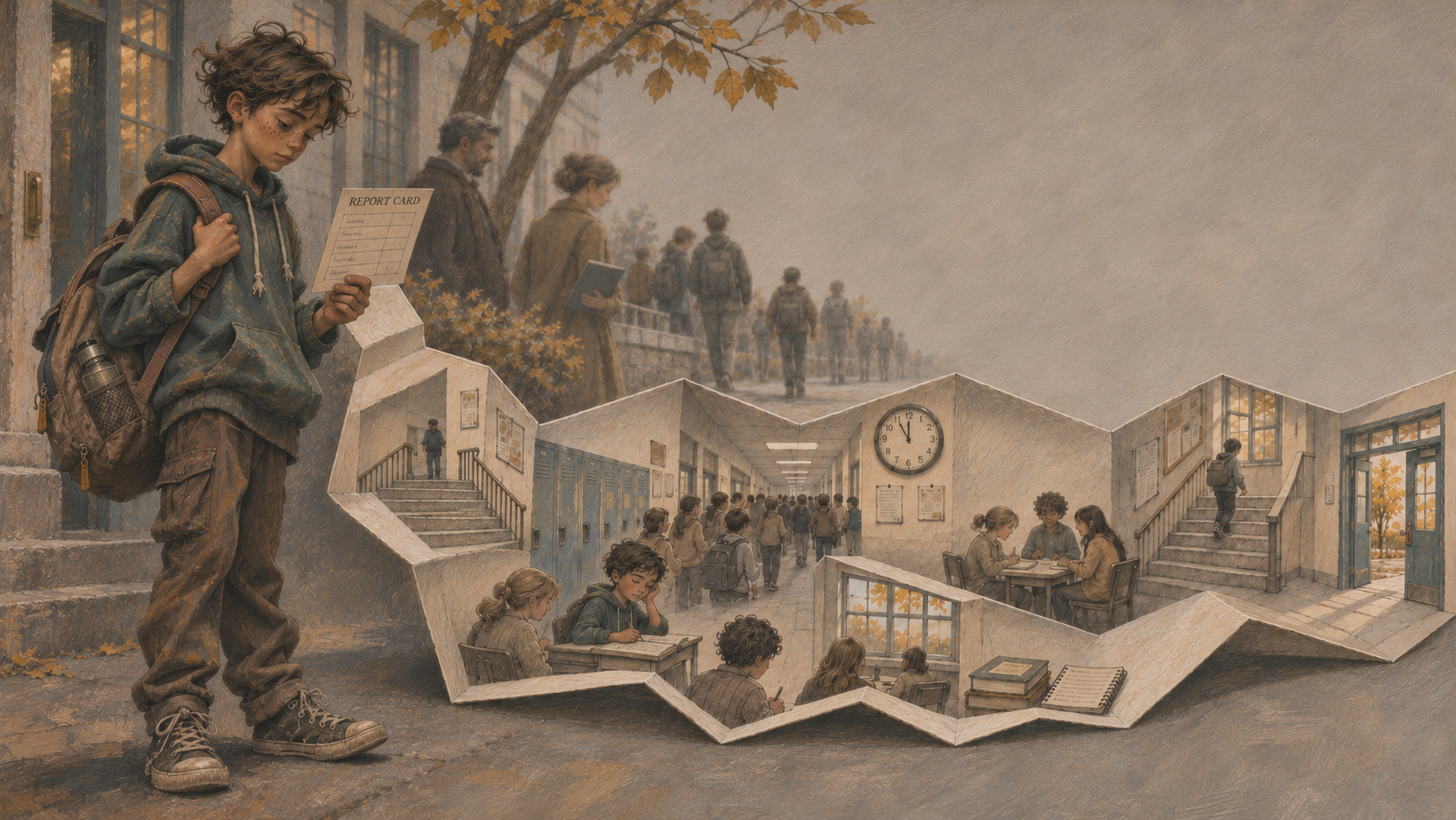
It’s the tiredness of a child who has spent six hours translating — turning vague instructions into a plan, turning a too-loud room into something survivable, turning the exact shape of their own confusion into a face that says I’ve got this.
By the time anyone notices, tired is no longer the word adults use.
Now the child is behind. Or shut down. Or “suddenly” oppositional. The story becomes about motivation, attitude, or laziness — because the only thing visible is what’s left over after the labor, not the labor itself.
I spend a lot of my clinical time with exactly these kids: bright, perceptive, often neurodivergent, and very good at looking fine right up until they aren’t.
So much of what gets labeled “behavior” is the visible wreckage of an invisible job: tracking expectations nobody explained, managing sensory load while performing calm, holding shame quietly enough that it never quite shows.
None of that reads as effort.
It reads as avoidance, distraction, drama, withdrawal — all the things adults are trained to correct rather than read.
So before I ask why a child won’t do what they’re “supposed to do,” I try to ask a different question:
What has this child been carrying that nobody has given a name to yet?
That question is shaping the work I’m building with neurodivergent kids, teens, young adults, and families.
Originally published on LinkedIn, June 23, 2026.