
Paul’s approach
Understanding your experience. Making room for what comes next.
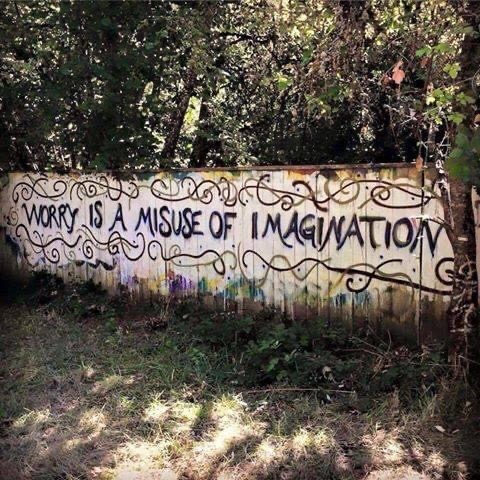
Room for imagination
I’m drawn to the invitation in these words: making room for possibility. When worry takes up a lot of space, I want to meet it with care and curiosity.
I bring 30+ years of clinical practice together with neurodivergent-informed, trauma-informed, and family-systems thinking. My work also draws on narrative, IFS-informed, and expressive/visual approaches.
Together, we explore how your experiences, relationships, and surroundings shape what feels possible.
Conversation, imagery and practical tools
Sometimes a question, an observation, or an image offers another way into the conversation—especially when something important is difficult to put into words.
There is room to try a different perspective, notice what fits, and leave something open while we continue to understand it.
A visual way of listening
I trained as an illustrator and animator before I trained as a clinician. That combination still shapes how I think. I look for pattern. I’m comfortable with complexity. I don’t need things to resolve faster than they actually do.
Same elements. Different stories.
In art school, our class received the same assignment: particular types of houses and dinosaurs, a picket fence, and a stop sign. Everyone worked within the same requirements, yet each person created a completely different composition.
What we brought forward, how we arranged the scene, and where we placed the viewer changed the story. In my illustration, some of the characters even step beyond the frame.
That curiosity about perspective remains part of how I work as a therapist—exploring together what you notice, what surrounds it, and what another viewpoint might help reveal.
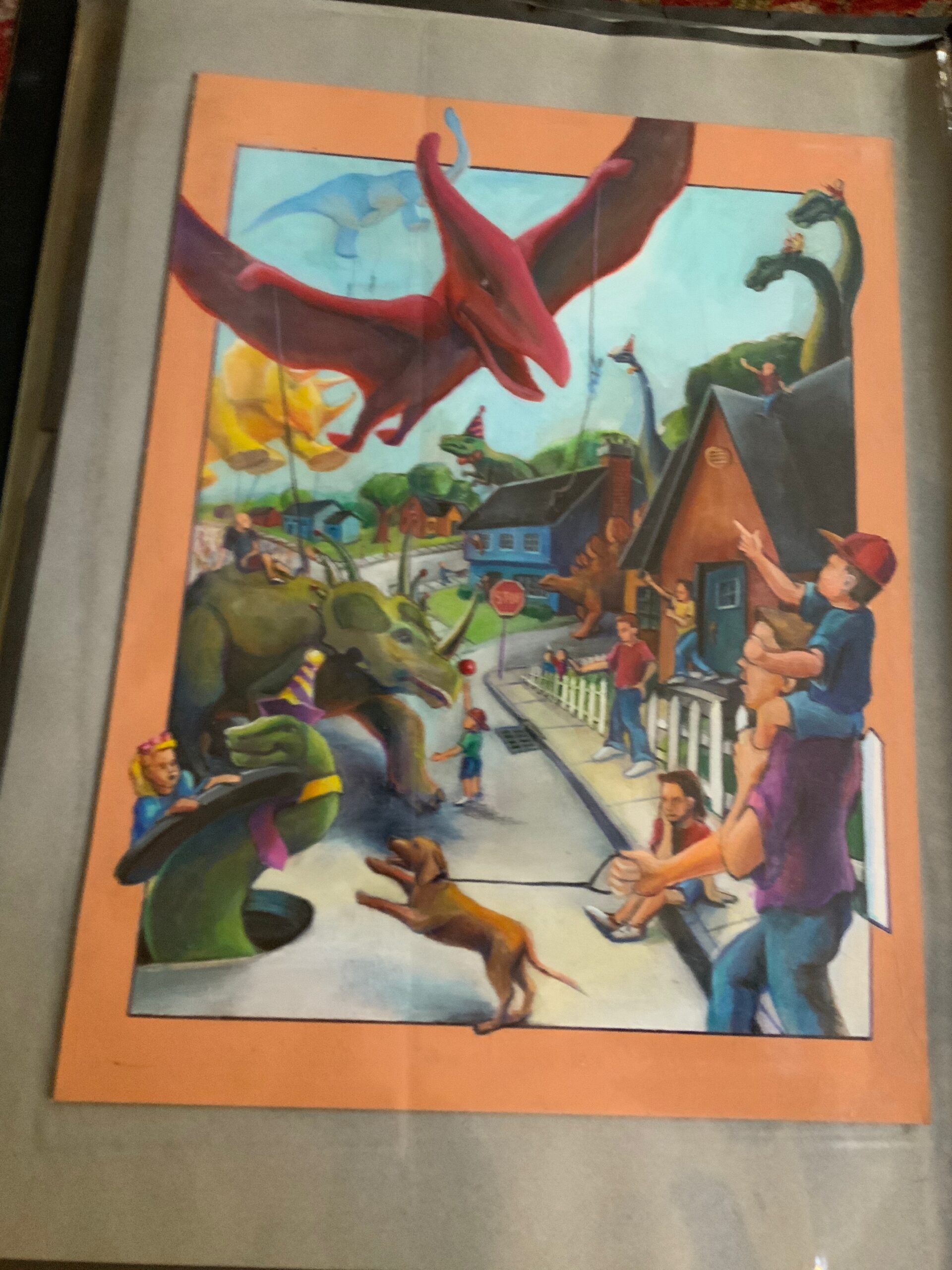
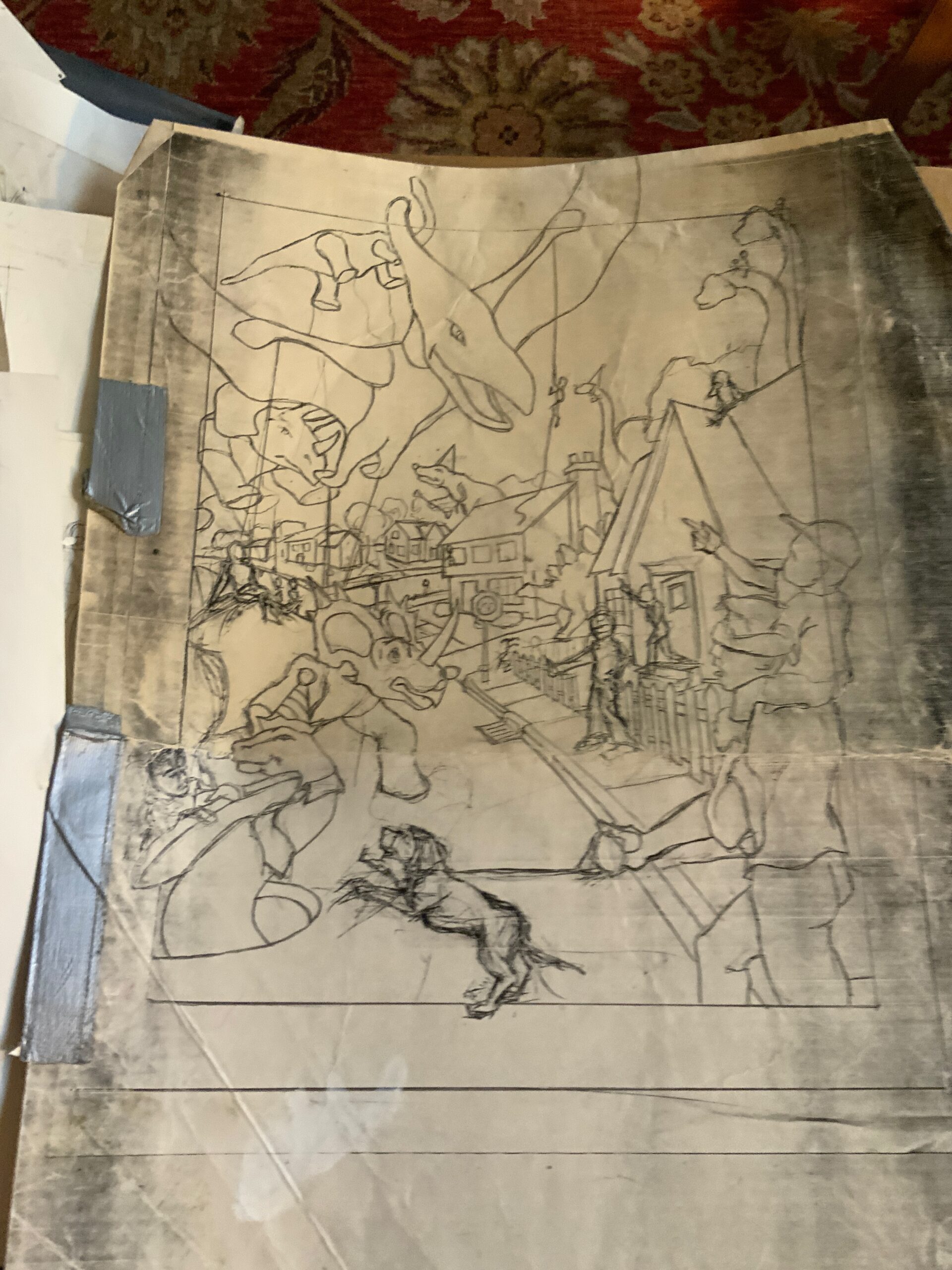
See the rough sketchSee the finished illustration
What support would help?
We can consider what support would help, what might need to change around you, and what steps feel workable.
When appropriate, this includes family involvement and coordination with other supports.