About Paul
Thirty years in. Still learning. Still here.
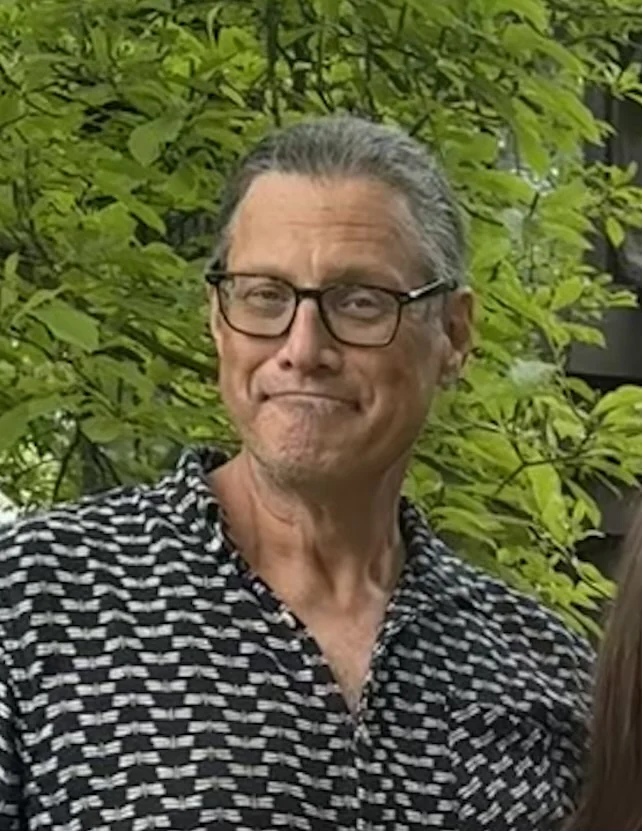
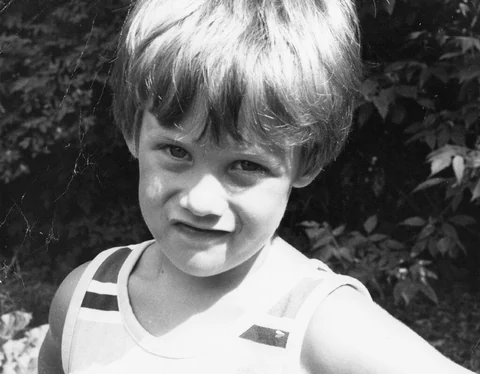
I was a shy kid who watched everything and drew what I saw. Not because anyone told me to — because the world came at me faster and louder than I knew what to do with, and a pencil and a notebook were the one place I could slow it down enough to make sense of it. I think about that when I meet kids who need a little time to warm up.
My mother was an artist. She took me to galleries from the time I was small, and what I absorbed wasn’t technique — it was the way she moved through a room. Slowly. Like she had a private agreement with each piece to give it the time it was actually asking for. I thought that was just how you looked at things. It took me years to understand she was teaching me something.
I went to art school planning to animate for Disney. What I found instead was that the same quality of attention that made me want to draw — the patience to look carefully at what was actually there, rather than what I expected to see — was more useful with people than with images.
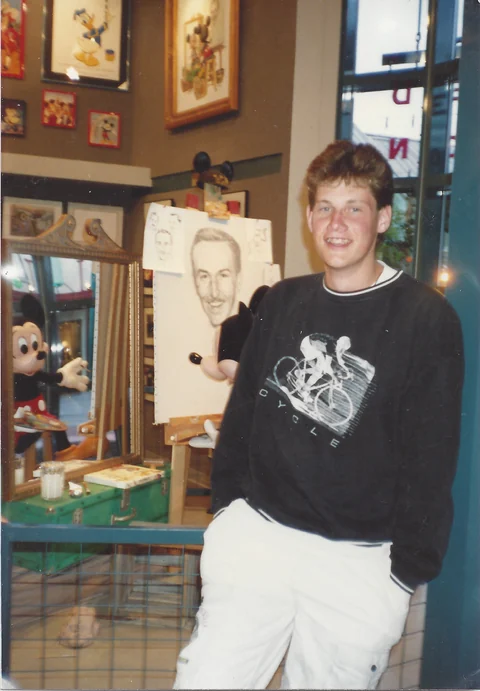
Eventually, I became a therapist, in part, because I thought it might make me a better artist. It did. Just not in the way I expected.
After art school, I spent a year as an artist in residence with Children of the Future, an AmeriCorps youth arts program run by the Greater Columbus Arts Council in Columbus, Ohio. At the Lula Pearl Douglas Recreation Center, I worked with kids on murals, theater, and storytelling, using those projects to help them solve problems together and work through disagreements. From there: a runaway shelter for urban teenagers, an internship with dying adults and terminally ill children, and eventually child and
I stayed because I couldn’t locate anything that mattered more. But staying required learning something nobody had taught me: how to be fully present with someone else’s pain without losing track of myself in the process. That learning took years. It’s still ongoing.
I completed my MSW at UW-Milwaukee and have been in private practice for over two decades. Near the end of graduate school, I first suspected I was ADHD. The confirmation came later — after I’d put the pieces together myself. What followed wasn’t relief exactly. It was more like having to reread everything I thought I understood about my own life with a different key.
I tell you this not because my story is the point, but because it shapes how I work.
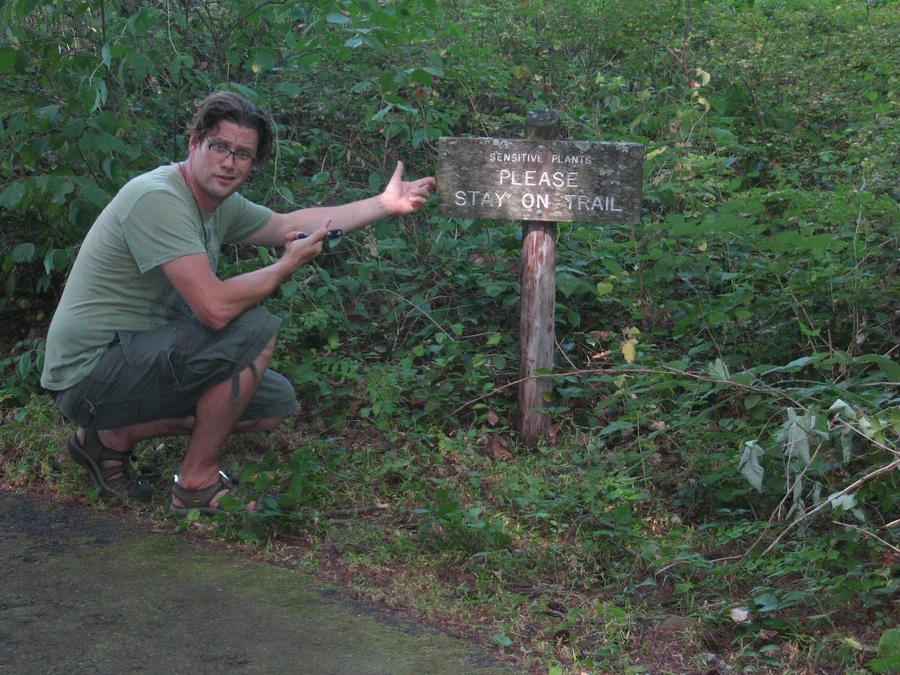
Sensitive flowers
This picture reminds me of something my daughter once said.
“My dad and I are sensitive flowers. Please don’t treat us like crab grass.”
It still makes me smile—and reminds me how much the way we treat one another matters.
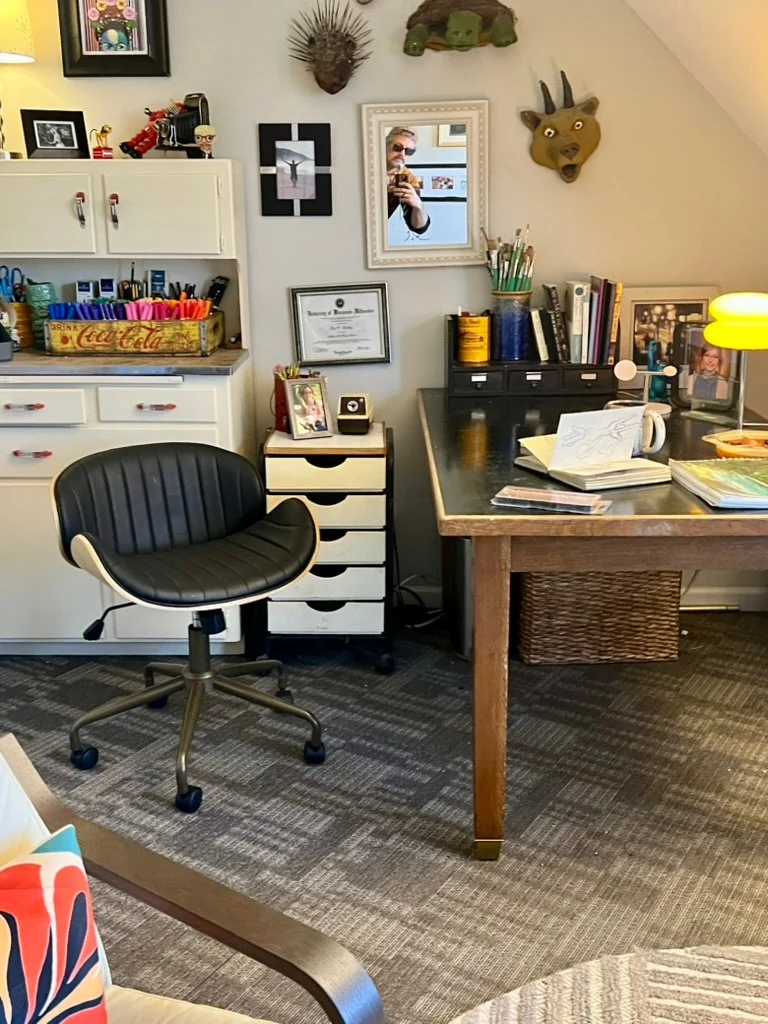
The studio and therapy space
At Taylor Home, I worked with teens who chose the subject of a mural and painted it together. They put what they saw around them and what they hoped for on the same canvas.
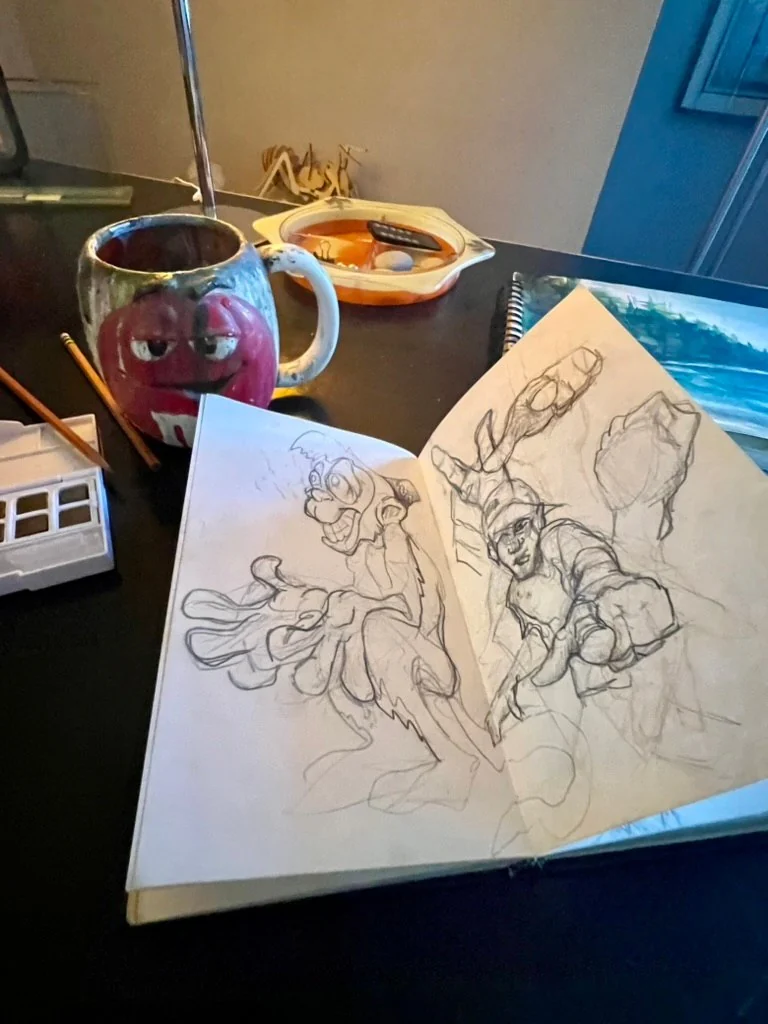
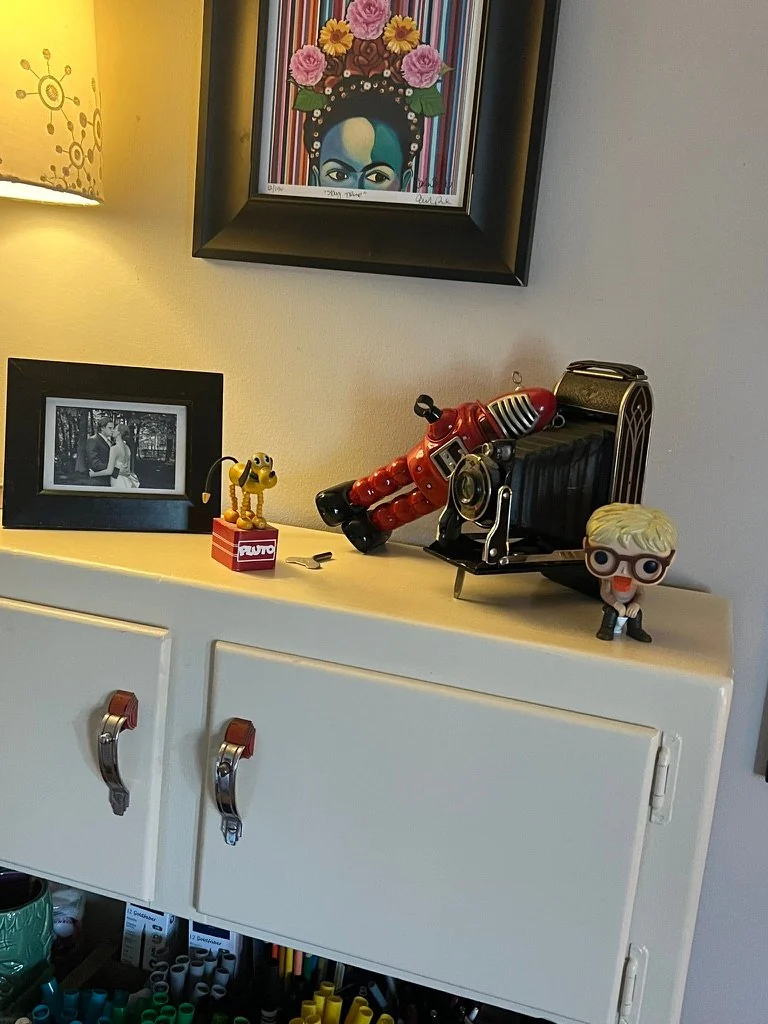
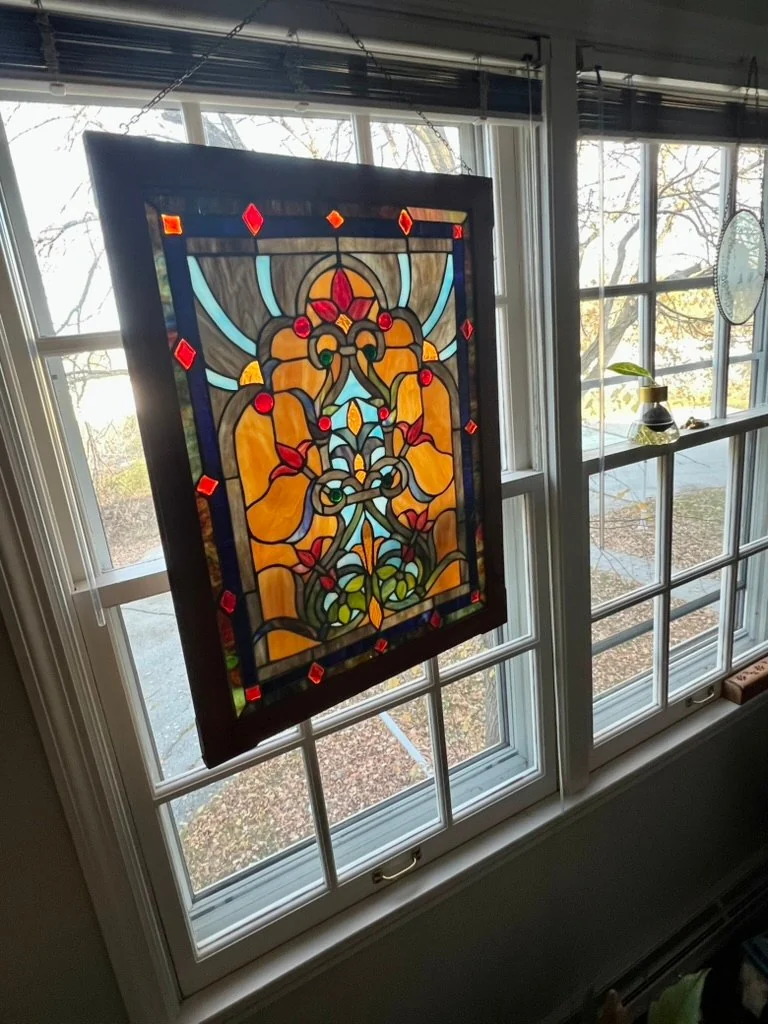
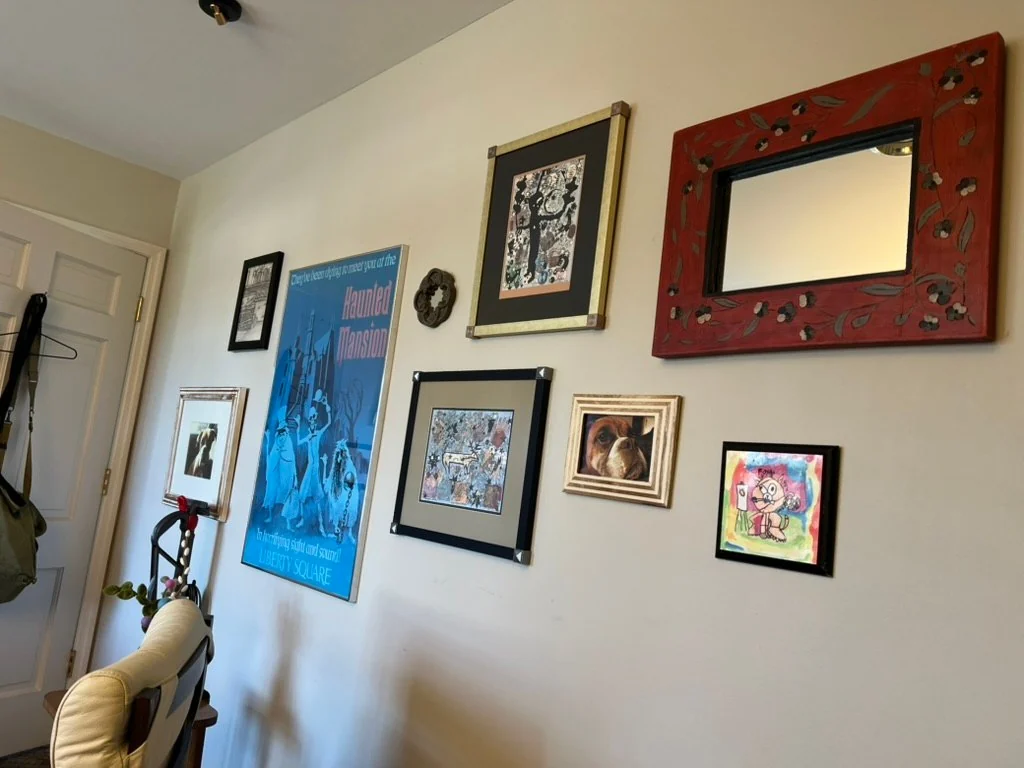
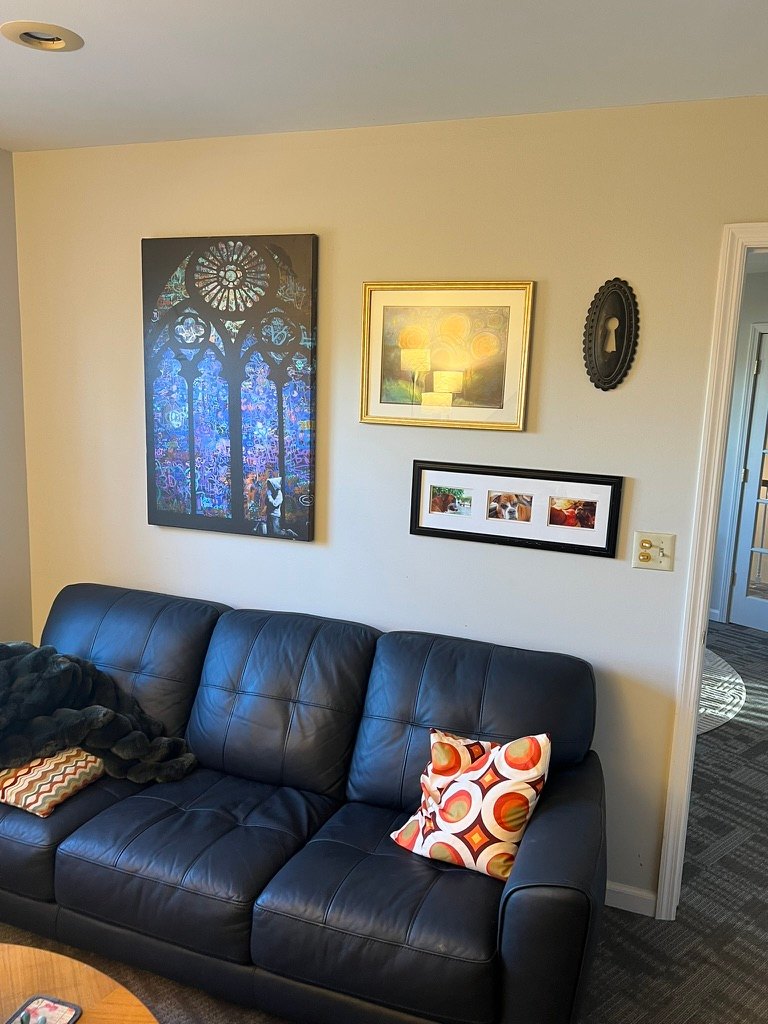
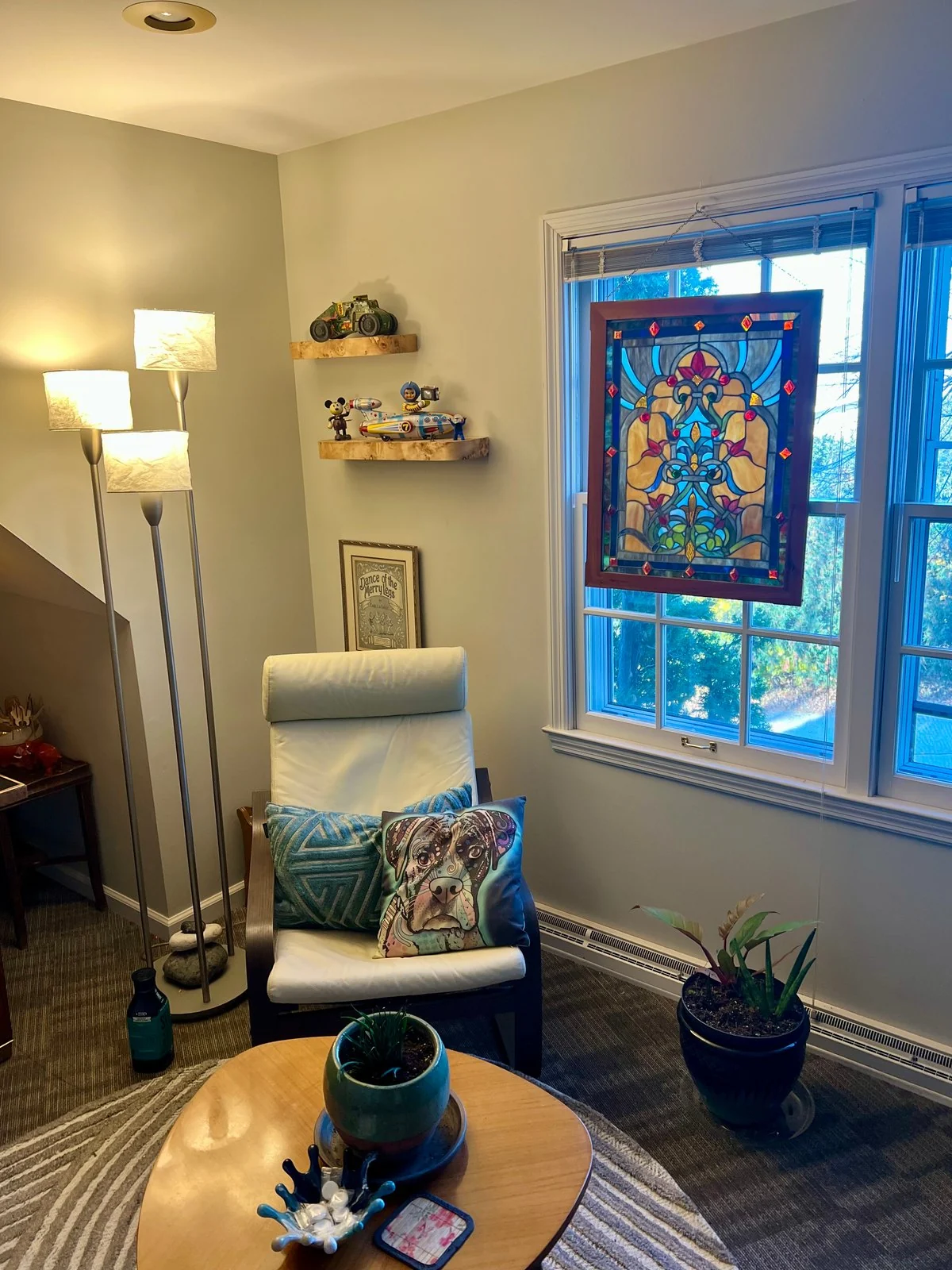
I make room for that kind of work in my office, which is also my art therapy studio. There’s a table here for drawing, making, and seeing what takes shape.
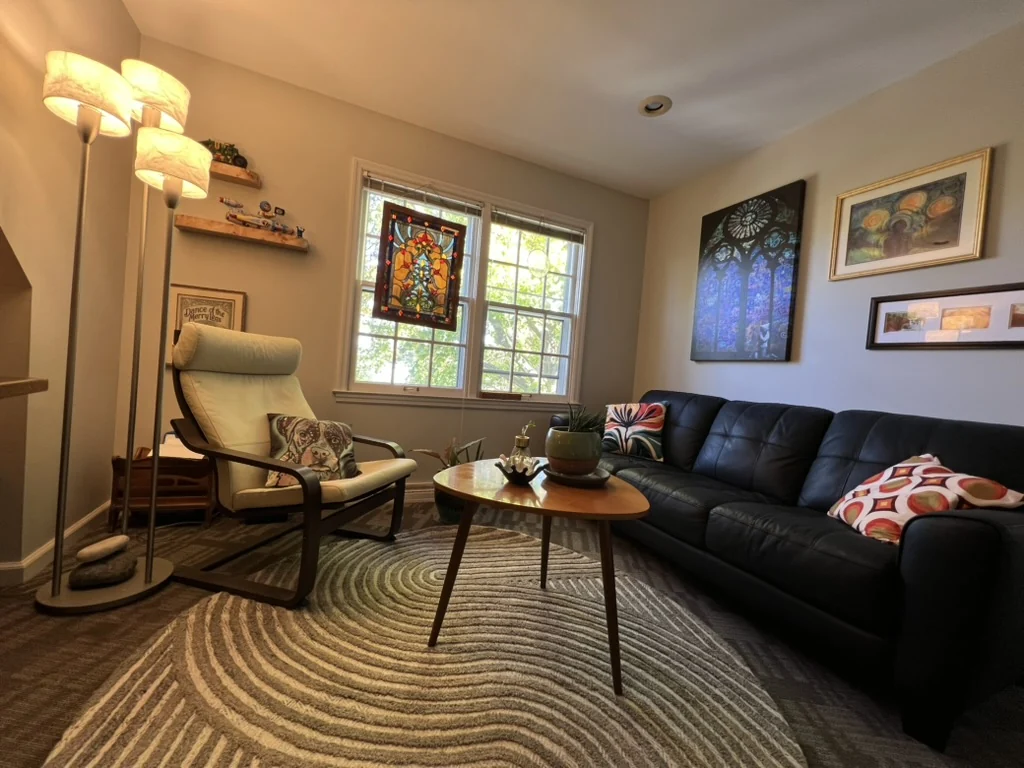
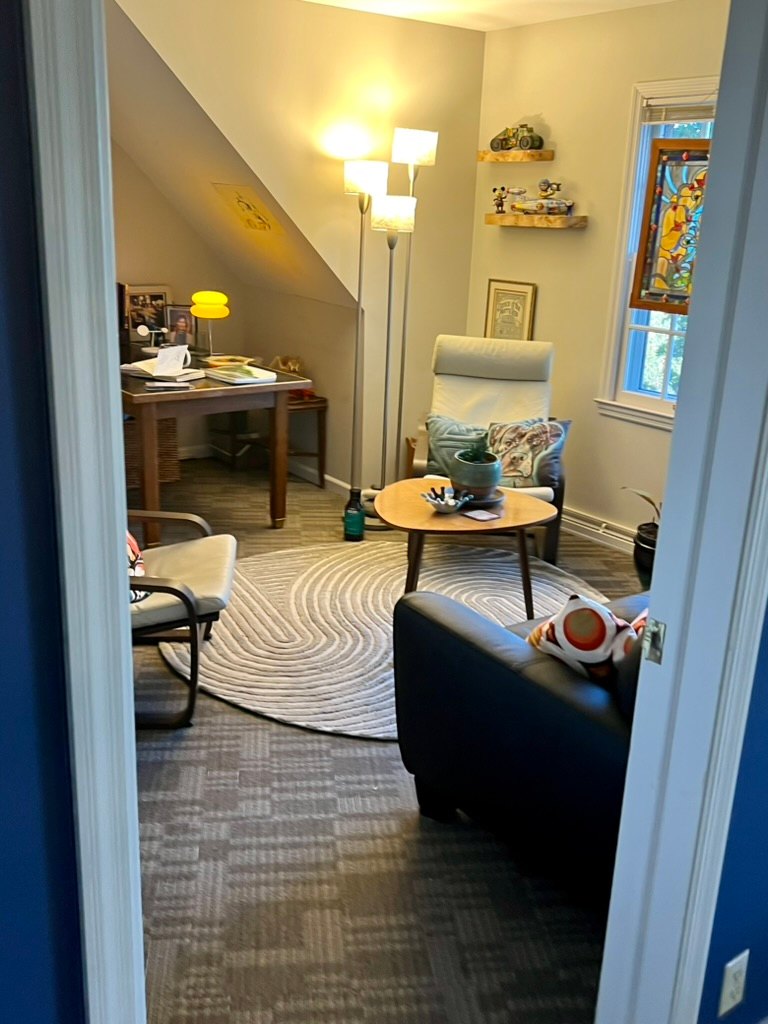
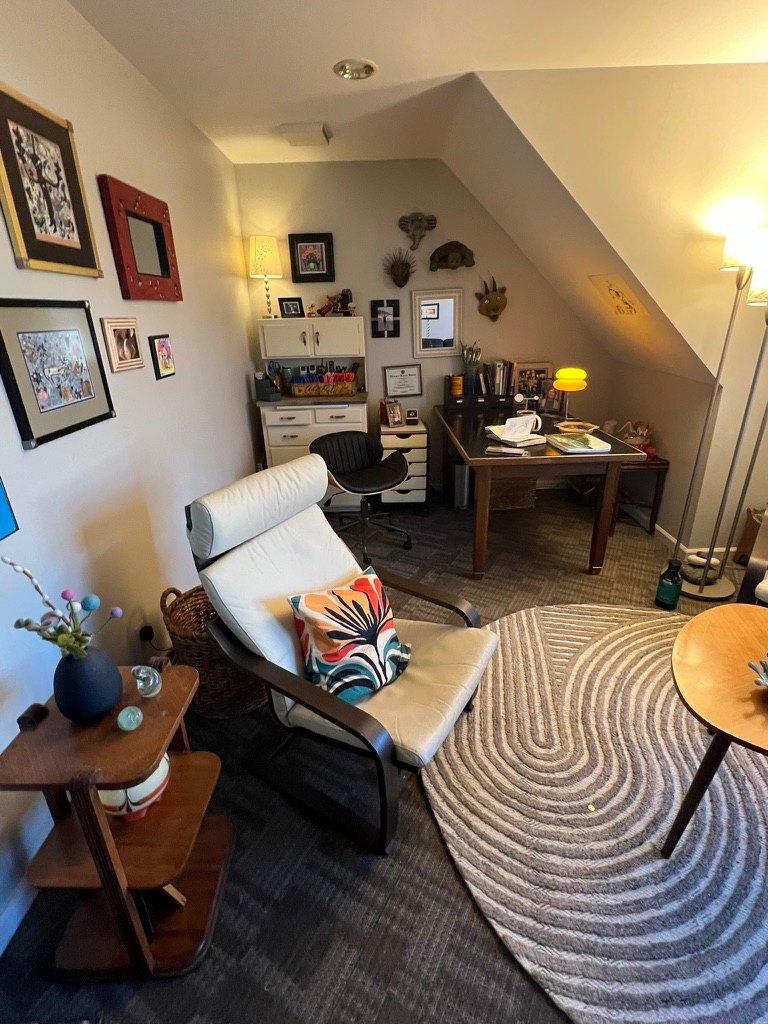
I see therapy as a process of building orientation: understanding more of your experience, making room for your own choices, and exploring what might become possible.
When someone says they’ve always had to work twice as hard to appear half as together — I’m not reading that from a textbook. When behavior keeps getting misread, and support keeps getting mistimed, I’ve learned to ask what the behavior is actually doing before I try to change it.
I bring my own ADHD neurodivergent perspective into this work. It makes me attentive to effort that may be invisible, the effects of being misread, and the difference it can make to have your experience understood more fully.
Making room for more of the picture can reveal strengths, connections, and possibilities we might otherwise miss.
Together, we explore how your experiences, relationships, and surroundings shape what feels possible.
Sometimes a question, an observation, or an image offers another way into the conversation—especially when something important is difficult to put into words. There is room to try a different perspective, notice what fits, and leave something open while we continue to understand it.
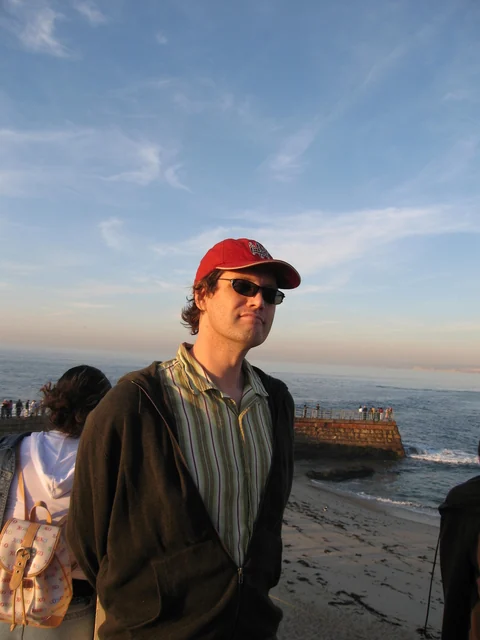
We can consider what support would help, what might need to change around you, and what steps feel workable. When appropriate, this includes family involvement and coordination with other supports.
After thirty years, I’m still learning how to look more carefully, ask a better question, and stay open to what I haven’t understood yet.
“Let’s see what comes into view together.”
A step into the unknown
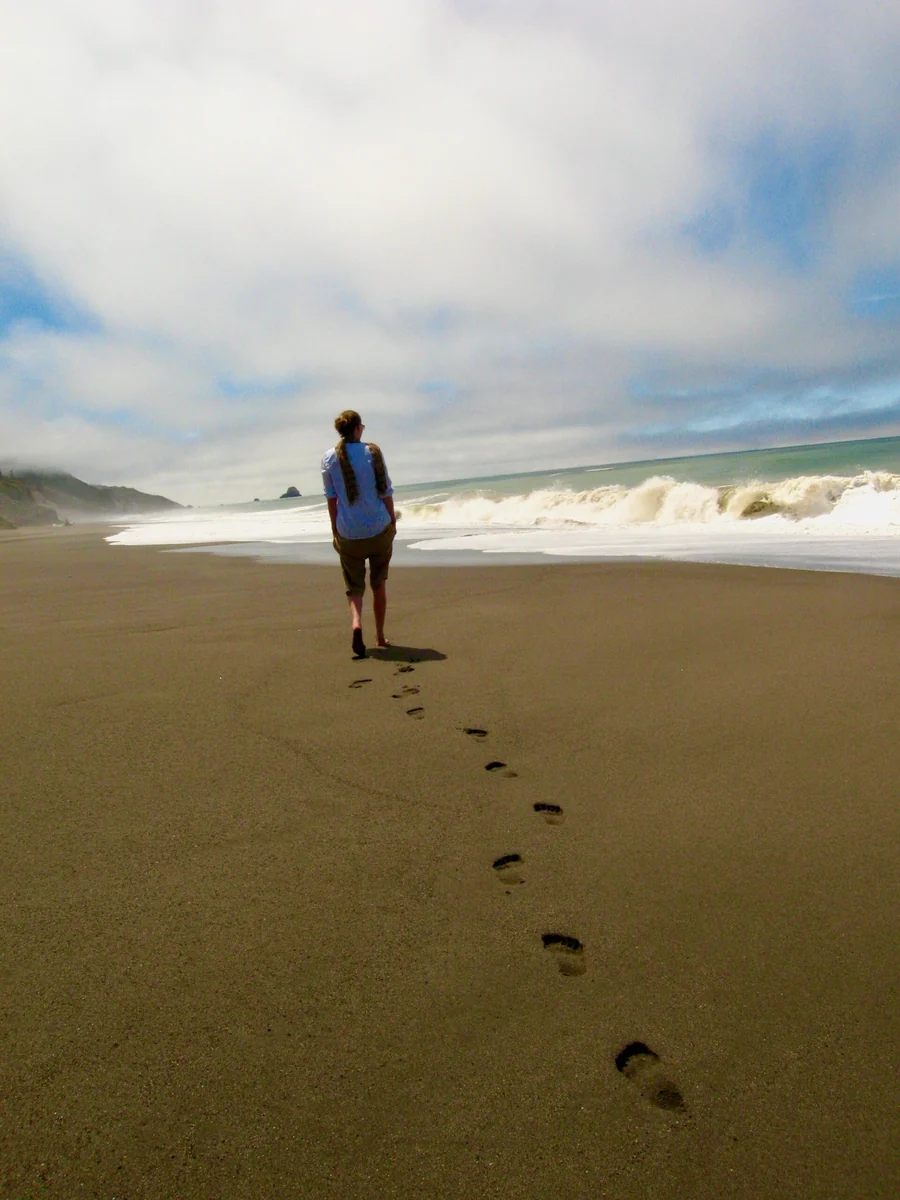
I believe travel opens up possibilities. Stepping into the unknown invites creativity and adaptability—and, let’s face it, it’s fun.
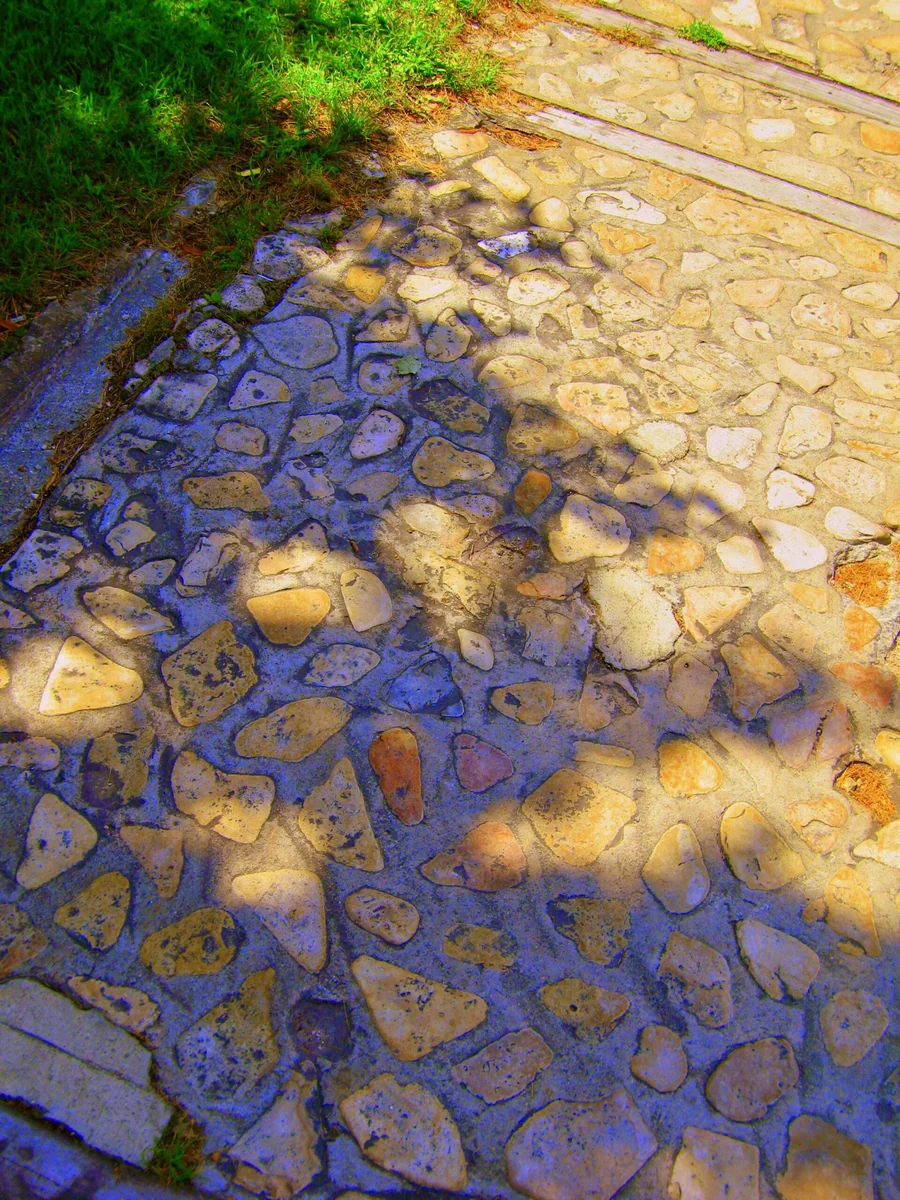
When I look at this photograph, the sunlit stones catch my eye first. Then I notice how much of the path is still there in the shadows, and how differently I see it once I stop and look. In therapy, I’m curious about both what’s easy to see and what takes more time to come into view.
On a trip down the Oregon coast, I wanted to see what we’d find along the way. My wife had a notebook full of places she’d read about. A name she recognized could give us our bearings, and something that caught my eye could take us down a road we hadn’t planned on. Some of our best experiences came from finding our way together like that.
Therapy, much like life, is a journey. We can start with what feels familiar, pay attention to what we notice along the way, and change direction as we learn more.