
There is a drawer in my desk that would have concerned several of my elementary school teachers.
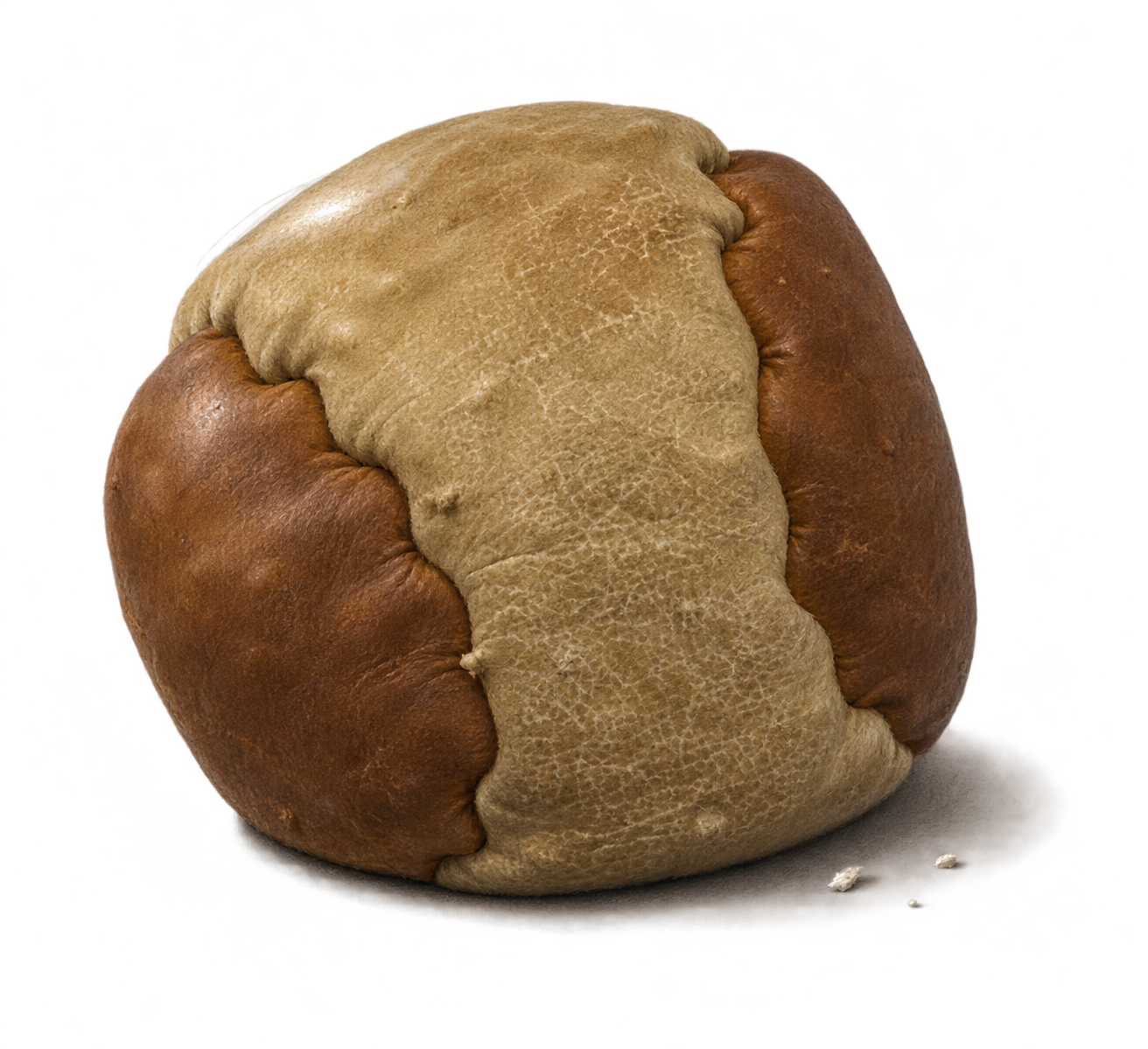
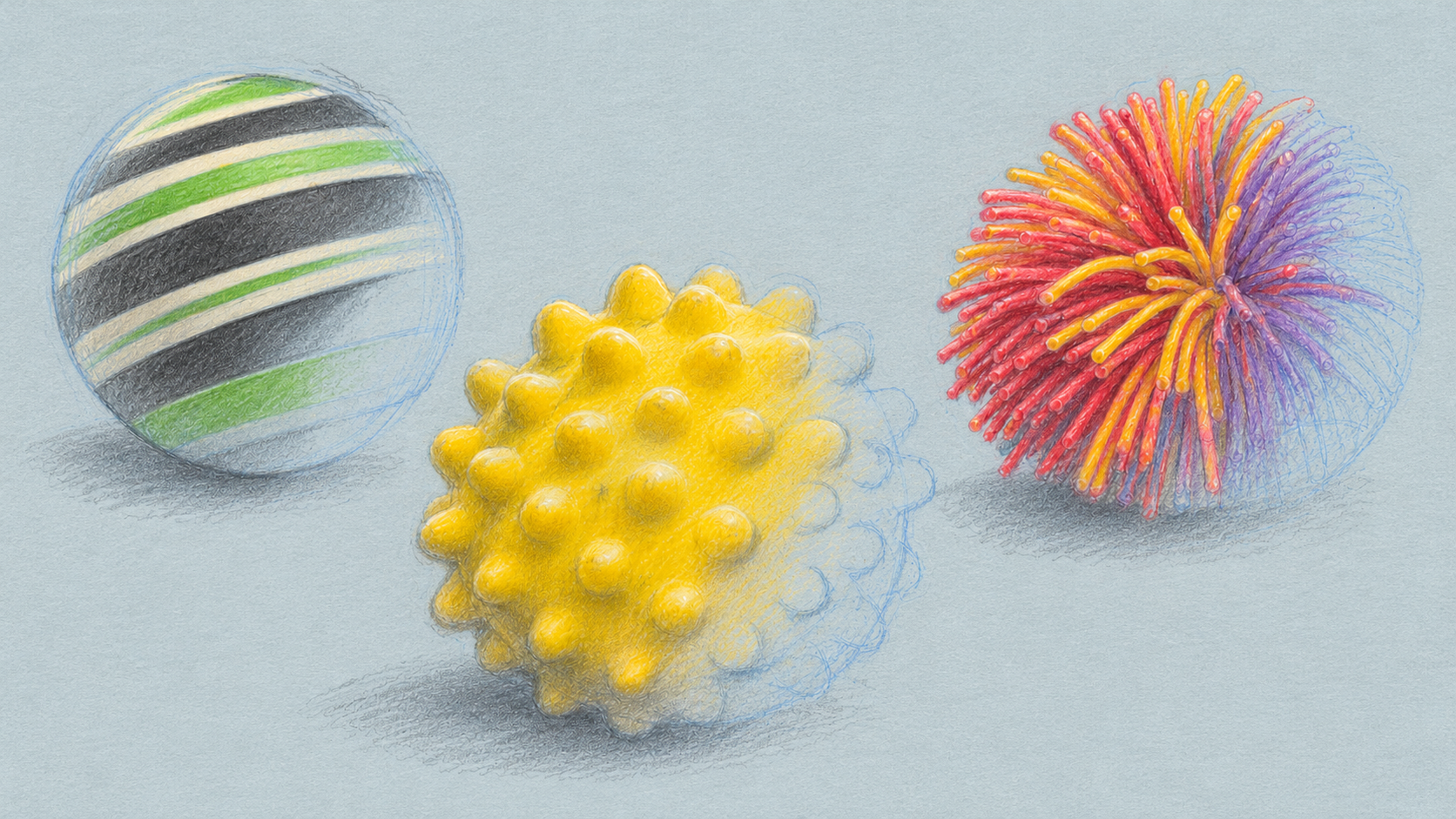
It is, to borrow an image I have always loved, Miss Shields’s drawer from A Christmas Story: a collection of confiscated contraband accumulated over years of holding a room together. Mine holds Koosh balls, fidgets, rubber tubing, a small wooden labyrinth, and an assortment of other objects that have found their way into my work.
I went to graduate school. The drawer came together separately.
In a session, a ball from that drawer can give us a way into a conversation. We toss it back and forth while we talk, settling into a rhythm. There is something to do with our hands and somewhere to look. If the ball rolls under a chair, we retrieve it and pick up where we left off. Sometimes a child who came in upset is laughing hard enough for a parent to hear through the door.
“We were just playing catch,” I might say afterward.
When we begin talking about how much someone is managing, I reach for another ball.
“Out of curiosity, how many balls can you juggle?”
The answer usually becomes apparent fairly quickly, but we can get a few moving between us. One high, one low. A little adjustment. Some questionable throws on both sides. Sometimes I add the glowing, flashing ball, and we work on following the rhythm until the exchange begins to feel almost automatic.
We’ve got this.
That is an excellent time to reach for the Koosh ball on a stretchy cord.

I let it go.
The ball leaves my hand and starts toward them, then drops short, still tethered to my finger. Everything else hits the floor.
What follows depends on who is across from me. Sometimes there is room for considerable theatrical disaster; sometimes the joke is small and we settle quickly. JJ, my therapy dog, just sits there, trying to figure out what to do. The Koosh dangles from its cord while we look for the balls we had been keeping in the air a moment ago.
We gather the balls, and as we continue, we begin giving them names.
School gets one. Except the longer we talk, the less reasonable it seems to expect one ball to represent school. There is the assignment, the teacher you need to ask about the assignment, the person you would rather not encounter on your way to asking, and the crowded hallway you have to navigate to get there.
School has a building. This gives the misleading impression that it is one thing.
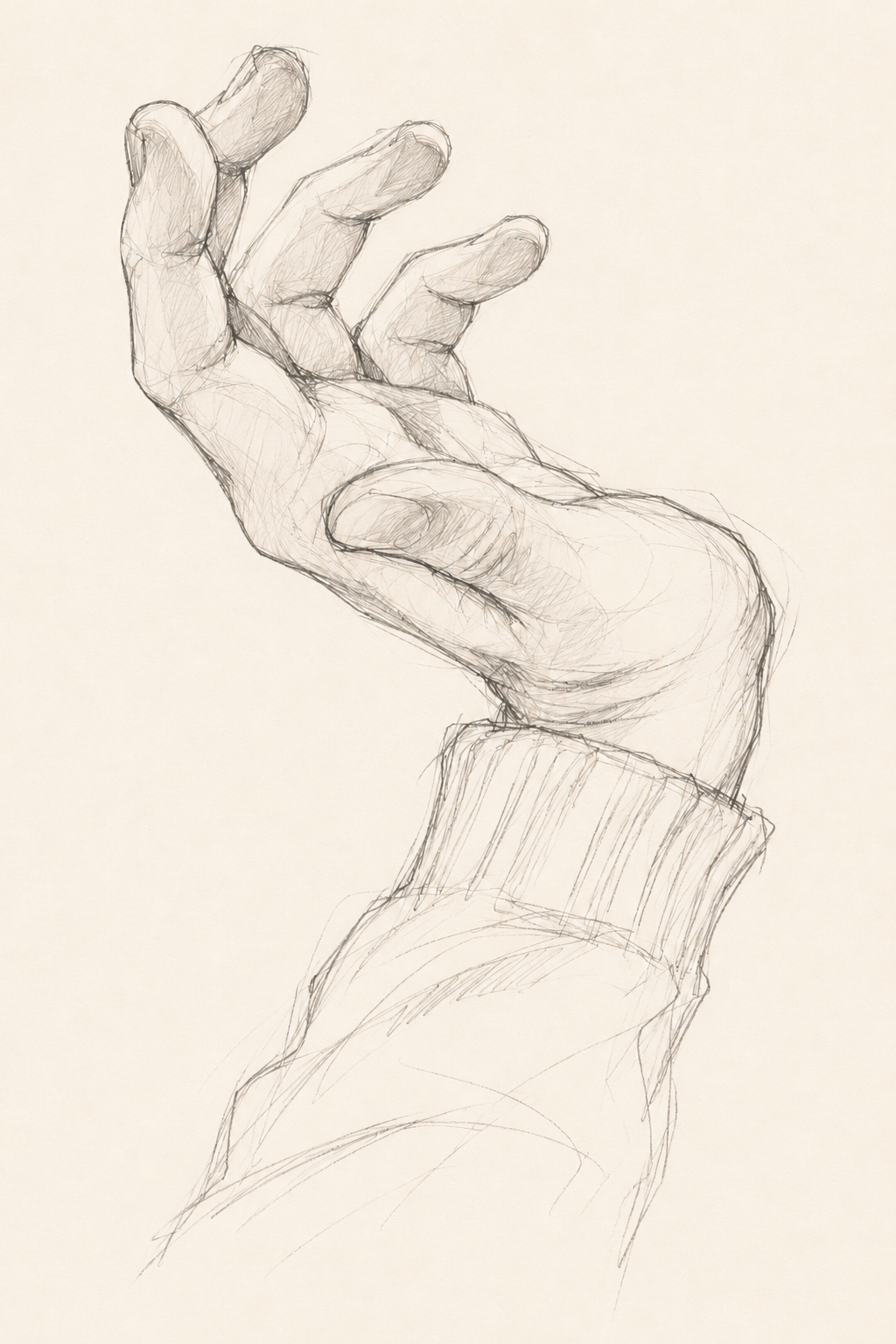
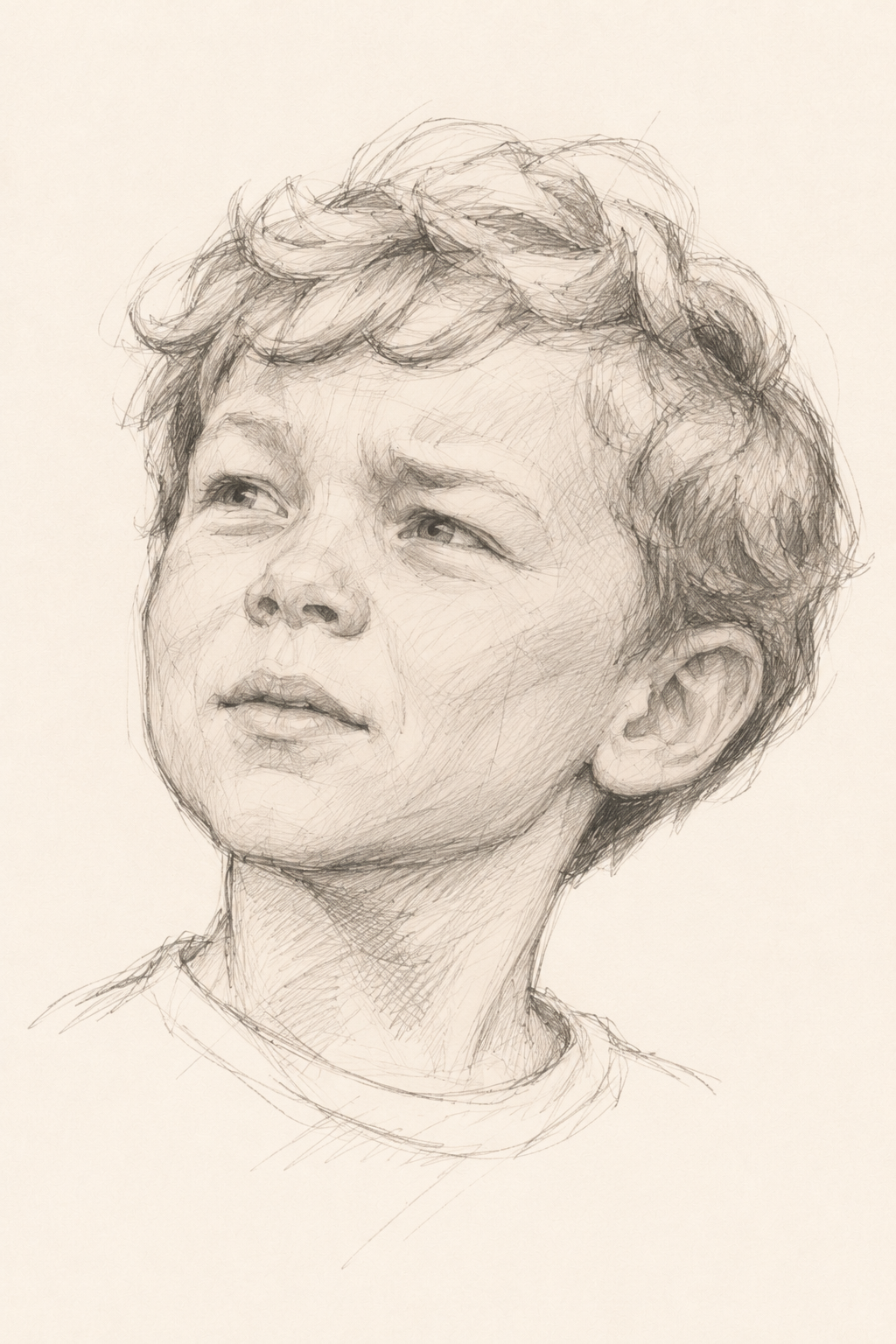
We add a ball for each one. The exchange becomes harder to sustain. An awkward throw that we could accommodate earlier now puts two other catches in jeopardy. We reach farther, move faster, and briefly attempt to negotiate additional uses for the hands we have.
Things fall.
By then, the balls have hit the floor for several different reasons. There was learning the rhythm in the first place. There was my contribution with the tethered Koosh. There was the point when we simply had more moving between us than we could manage. From the floor, the results look remarkably similar.
That is part of why I keep the balls in the drawer. Outside the room, we often encounter the result without having witnessed what preceded it. We see the assignment that wasn’t finished, the message that wasn’t answered, the small request that somehow became too much. We know the person has managed something like it before. Perhaps we watched them do it yesterday, and we wonder why today is different.
Yesterday may have had fewer things in motion. There may have been more sleep, a clearer plan, someone available to help. Today there may be an unresolved conversation occupying attention, or a change in routine that has made every familiar step require another decision. The task looks the same from where we are standing. The person doing it may be having a very different experience.
In the office, at least, I announce the incoming object.
Outside it, nobody yells “Incoming.” We tend to find out what we were watching for after everything else is on the floor.
In the room, we have just watched the same hands make those catches and then lose track of them. We can go back to the moment the rhythm changed and ask what else was in the air.
I need this as much as anyone across from me.
Sometimes we do need practice. Sometimes we need a slower rhythm, a more predictable throw, or another person to help. And sometimes, after considerable discussion about how to keep everything in the air, it occurs to us that we could put something down.
There is a drawer right there.
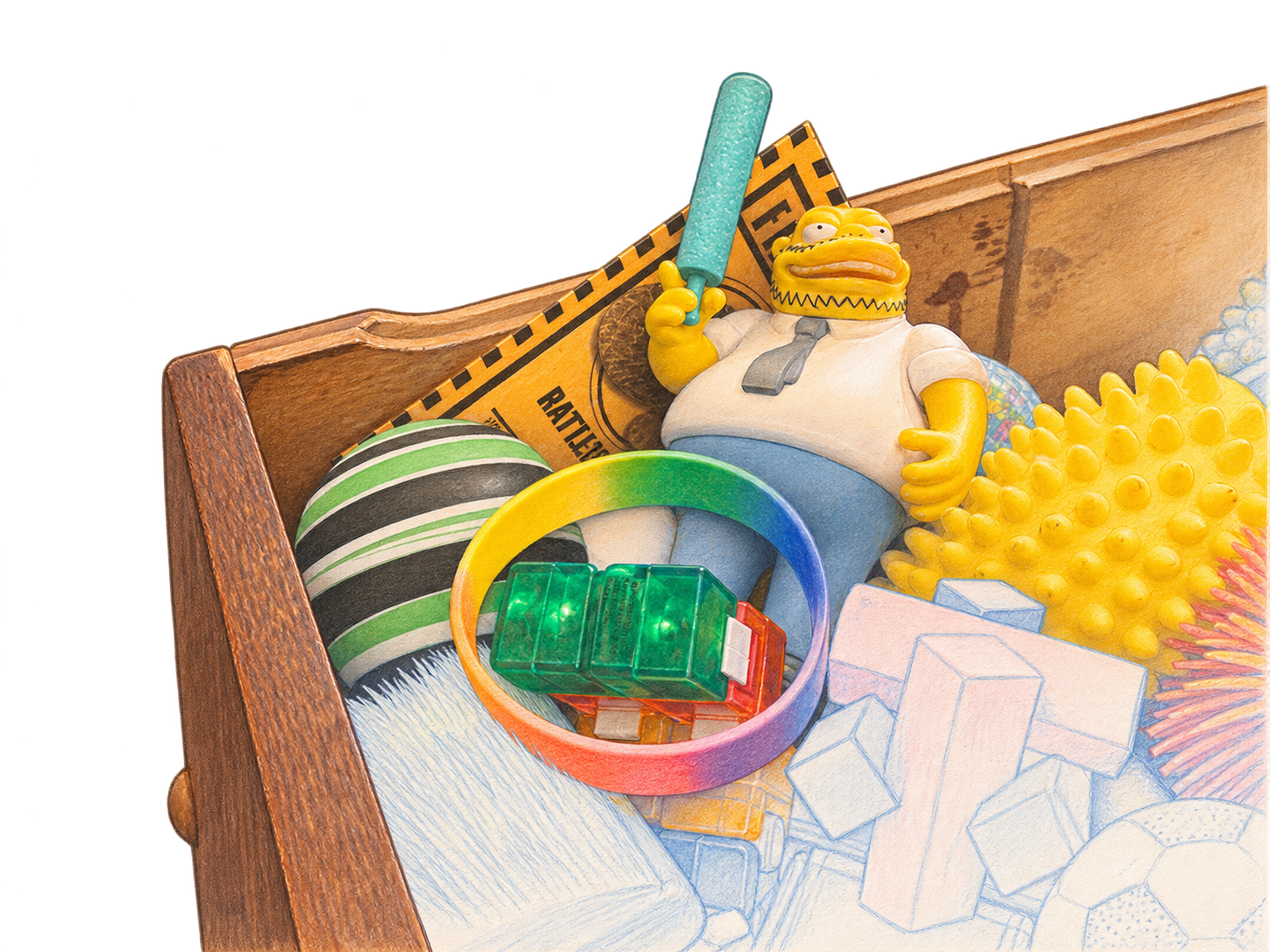
At the end of the session, the balls go back into it. I hope the laughter stays available a little longer. And the question.
“What else
was in the air
between us?”

Leave a Reply